
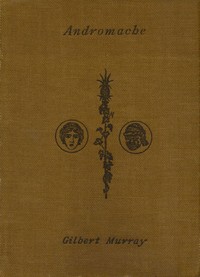
Andromache: A Play in Three Acts by Gilbert Murray
Gilbert Murray's Andromache takes a figure from the margins of Homer's Iliad and puts her squarely in the center of her own story. This isn't the tale of the war itself, but its long, painful aftermath.
The Story
Years after the fall of Troy, Andromache, once a princess and wife of the hero Hector, is now a slave in Thessaly. She belongs to Neoptolemus, the son of Achilles—the very man who killed her husband. Her life is a precarious balancing act: she's the mother of Neoptolemus's son, yet she's despised by his jealous wife, Hermione. Hermione, backed by her father King Menelaus, wants Andromache and her child gone for good. The play unfolds over a single, tense day as Andromache, seeking sanctuary at a temple, faces threats, political maneuvering, and the raw pain of her past. It's a story about clinging to dignity when you have no power, and fighting for your child's future when your own seems lost.
Why You Should Read It
What stuck with me was how modern the emotions feel. Murray, through his clear verse, makes these mythical characters deeply human. Andromache's grief isn't a statue's sorrow; it's a living, breathing ache. Her resilience is quiet but fierce. Hermione isn't just a villain; she's a frightened young woman trapped in a marriage she didn't choose, lashing out at the closest target. The play asks tough questions: What do we owe to the conquered? Can you ever build a new life on the ruins of an old one? It doesn't offer easy answers, which makes it all the more compelling.
Final Verdict
This is perfect for anyone who loves Greek myths but wants to see the other side of the legend. If you enjoyed the personal struggles in Madeline Miller's Circe or the psychological tension of a stage drama, you'll find a lot to love here. It's a short, powerful read that proves some conflicts don't end when the swords are sheathed. You're left thinking about Andromache's fate long after you close the book.
Kenneth Sanchez
1 year agoFast paced, good book.

Elijah Lewis
5 months agoWithout a doubt, it manages to explain difficult concepts in plain English. One of the best books I've read this year.